 Merken
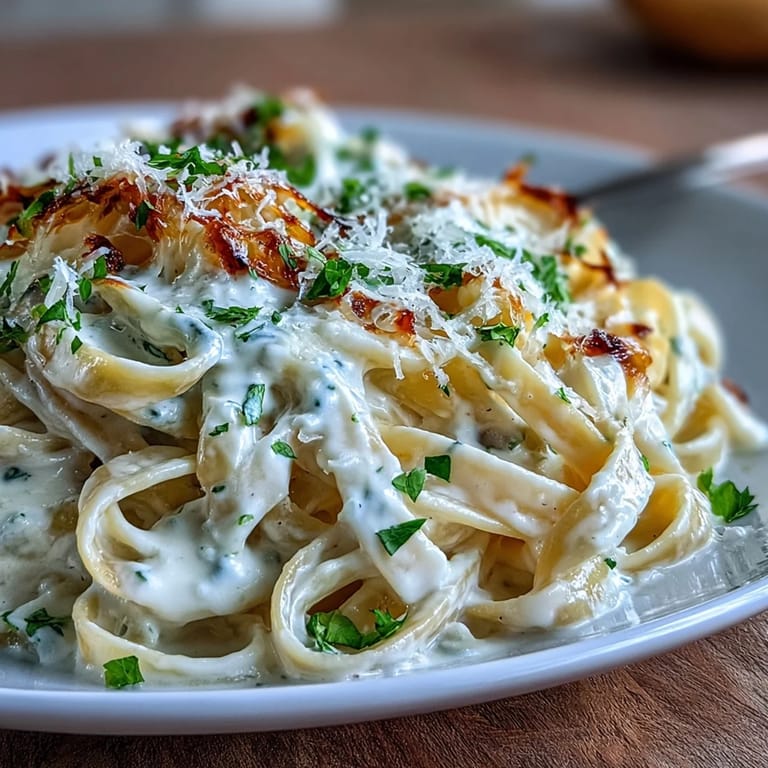
 A few winters ago, I was standing in my kitchen at midnight, craving something warm and comforting but without the heaviness that usually comes with cream-based pasta. I grabbed a head of cauliflower almost on impulse and started boiling it with garlic, wondering if something so simple could actually become silky and luxurious when blended. Twenty minutes later, I was twirling fettuccine in a sauce so velvety it seemed impossible no cream had touched it. That night, this dish became my answer to the guilt that used to follow indulgence.
I made this for my sister last spring when she was going through a phase of avoiding dairy, and watching her eyes light up when she tasted it reminded me that the best meals are the ones that make people feel included rather than restricted. She kept asking what the secret ingredient was, and when I told her it was just cauliflower, she refused to believe me until I showed her the blender. Now it's become her go-to dish for impressing dates who have dietary preferences.
Ingredients
- Cauliflower, 1 medium head cut into florets (about 700 g): This is your magic ingredient—when cooked until completely tender and blended, it creates a naturally creamy texture that mimics traditional Alfredo without any cream whatsoever.
- Garlic, 3 cloves peeled: Don't skip this or hold back; the garlic mellows beautifully as it boils with the cauliflower and becomes sweet and mellow rather than sharp.
- Yellow onion, 1 small chopped: The onion adds subtle sweetness and depth that balances the earthiness of the cauliflower.
- Unsalted butter, 2 tablespoons: This adds richness and helps emulsify the sauce; use real butter here because it makes a noticeable difference in flavor.
- Parmesan cheese, 1/3 cup grated: Freshly grated Parmesan melts more smoothly than pre-shredded, and it brings that savory umami punch that makes this feel like real Alfredo.
- Milk, 1/2 cup dairy or unsweetened plant-based: This adds liquid for blending and creates the final creamy consistency; don't use flavored plant milk as it can throw off the taste.
- Fettuccine or linguine, 350 g: These flat noodles catch and hold the sauce beautifully, though any pasta shape will work.
- Salt, 1 teaspoon plus more to taste: Start with this amount, but taste as you go since Parmesan adds saltiness.
- Freshly ground black pepper, 1/2 teaspoon: Freshly ground pepper matters here; pre-ground loses its brightness.
- Ground nutmeg, a pinch optional: This is the secret whisper that makes people wonder what makes the sauce taste so special.
- Fresh parsley and extra Parmesan for garnish: These finish the dish with color and an extra layer of flavor.
Tired of Takeout? 🥡
Get 10 meals you can make faster than delivery arrives. Seriously.
One email. No spam. Unsubscribe anytime.
Instructions
- Get everything boiling:
- Fill a large pot with salted water and bring it to a rolling boil; the water should taste like the sea. Add your cauliflower florets along with the peeled garlic cloves and chopped onion, and let them bubble away for 8 to 10 minutes until the cauliflower is so tender a fork slides through it with no resistance.
- Fish out the vegetables:
- Using a slotted spoon, carefully transfer the cooked cauliflower, garlic, and onion to your blender, leaving the water behind in the pot. This is important because you'll need that cooking water later for consistency.
- Blend into velvet:
- Add the butter, grated Parmesan, milk, salt, pepper, and that optional pinch of nutmeg to the blender. Blend on high until the mixture is completely smooth and has no lumps; if it seems too thick, add a splash of that reserved cooking water and blend again until it reaches a pourable sauce consistency.
- Cook your pasta:
- In the same pot with the cooking water still in it, add your dried pasta and cook according to the package instructions until it's al dente, with just a slight firmness when you bite into it. Before draining, scoop out about 1 cup of that starchy cooking water and set it aside; this water is liquid gold for thinning the sauce.
- Bring it together:
- Return the drained pasta to the empty pot and pour the entire cauliflower sauce over it. Toss gently but thoroughly with a wooden spoon, adding splashes of reserved pasta water as needed until the sauce coats every strand and flows like a river. Don't be shy with the pasta water; this sauce should coat but never feel gluey.
- Taste and finish:
- Taste a bite and adjust the salt and pepper to your preference. Divide among bowls and shower with fresh chopped parsley and extra grated Parmesan if you like.
 Merken
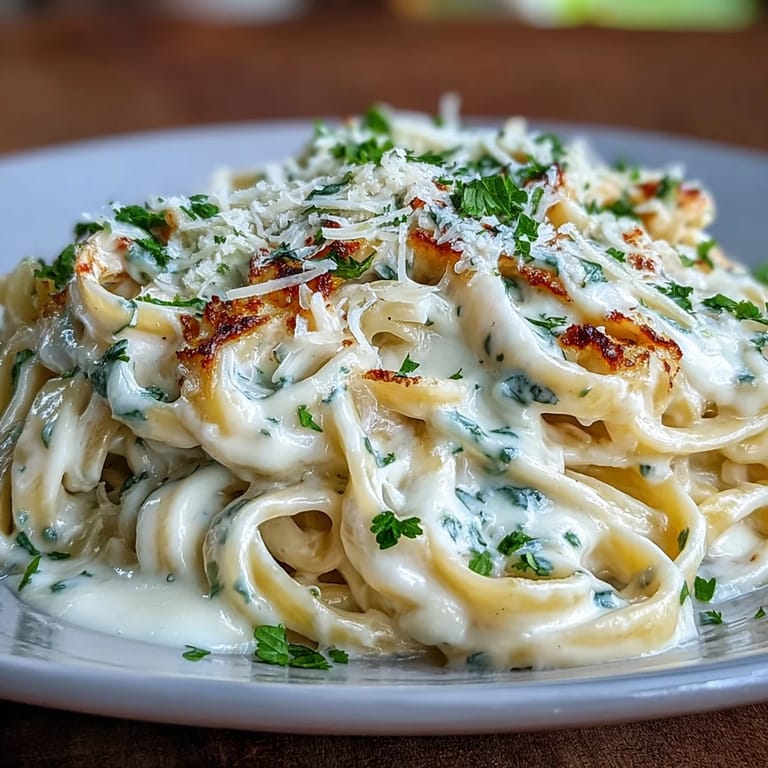
 There's something almost magical about the moment you taste this for the first time and realize that a vegetable—something you might have pushed around your plate as a kid—has become the star of comfort food. My grandmother tasted this once and asked me three times if there was cream in it, and when I kept saying no, she just shook her head in wonder and asked for seconds.
The Cauliflower Question
Many people approach cauliflower with suspicion, especially when they hear it's going into a pasta sauce. But here's what I've learned: cauliflower has no real flavor of its own—it's a blank canvas that becomes whatever you pair it with. In this case, paired with butter, Parmesan, and garlic, it transforms into something that tastes nothing like vegetables and everything like pure comfort.
Making It Your Own
The beauty of this recipe is how it welcomes additions without falling apart. I've made it with roasted mushrooms stirred in, with a handful of spinach that wilts from the heat, with crispy breadcrumbs sprinkled on top for texture. A friend added caramelized garlic once, and it became something entirely new yet somehow still itself. The sauce is forgiving enough to let you play.
Dietary Flexibility
This recipe was born from constraint, and it thrives under any dietary need you throw at it. For vegan versions, swap the butter for olive oil or vegan butter, use unsweetened plant milk, and replace the Parmesan with nutritional yeast—the dish changes slightly in flavor but remains entirely satisfying. I've made it gluten-free for friends by simply using gluten-free pasta, and no one could tell the difference.
- If you go vegan, nutritional yeast adds a cheesy umami punch that gets surprisingly close to Parmesan.
- Add a squeeze of fresh lemon juice at the end to brighten everything if the sauce tastes flat.
- Leftover sauce keeps for three days in the fridge and reheats gently over low heat with a splash of milk.
 Merken
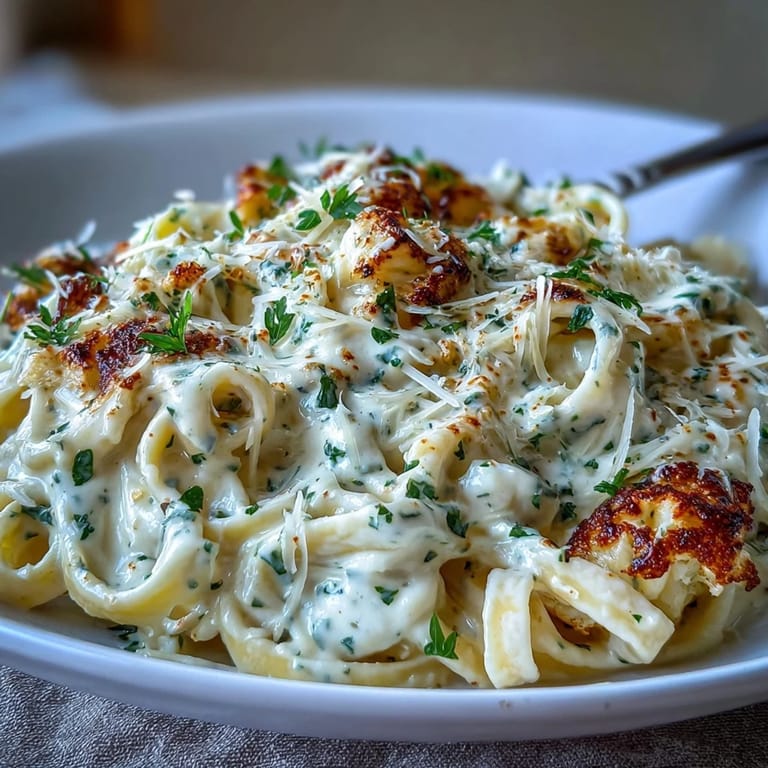
 This dish has become my favorite proof that eating lighter doesn't mean eating less satisfying food. It's saved countless weeknight dinners and impressed people who thought they'd given up creamy pasta for good.
Häufige Fragen zum Rezept
- → Wie schmeckt die Blumenkohl-Alfredo-Soße?
Die Soße schmeckt überraschend ähnlich wie klassisches Alfredo – samtig, nussig durch den Parmesan und mild vom Blumenkohl. Der Blumenkohlgeschmack ist sehr dezent und gibt eher eine cremige Basis als ein ausgeprägtes Gemüse-Aroma.
- → Kann ich die Soße vorbereiten?
Ja, die Soße lässt sich hervorragend vorbereiten. Nach dem Pürieren kann sie bis zu 3 Tage im Kühlschrank aufbewahrt werden. Beim Erwärmen etwas Milch oder Nudelwasser hinzufügen, da sie sich etwas festsetzt.
- → Welche Pasta eignet sich am besten?
Fettuccine oder Linguine sind ideal, da ihre glatte Fläche die cremige Soße perfekt hält. Aber auch Penne, Fusilli oder andere Nudelsorten funktionieren gut – wählen Sie einfach Ihre Lieblingspaste.
- → Wie mache ich das Gericht vegan?
Ersetzen Sie Butter durch pflanzliche Margarine, Parmesan durch Hefeflocken oder veganen Käse und nutzen Sie eine pflanzliche Milch wie Hafer- oder Mandeldrink. Die Soße bleibt dennoch schön cremig.
- → Warum sollte man Nudelwasser zurückbehalten?
Das Nudelwasser enthält Stärke, die hilft, die Soße an der Pasta zu binden und sie noch cremiger zu machen. Ein halber bis ganzer Becher reicht meist aus, um die perfekte Konsistenz zu erreichen.
- → Kann ich zusätzliches Gemüse hinzufügen?
Absolut! Gebratene Pilze, gedünsteter Brokkoli, Spinat oder Erbsen passen hervorragend dazu und machen das Gericht noch nährstoffreicher, ohne die leichte Cremigkeit zu beeinträchtigen.